

友情链接
- Copyright © Science and Technology Daily, All Rights Reserved
- 科技日报社 中国科技网 版权所有
- 京ICP备06005116号
- 违法和不良信息举报电话:010-58884152
- 京公网安备 110402500060
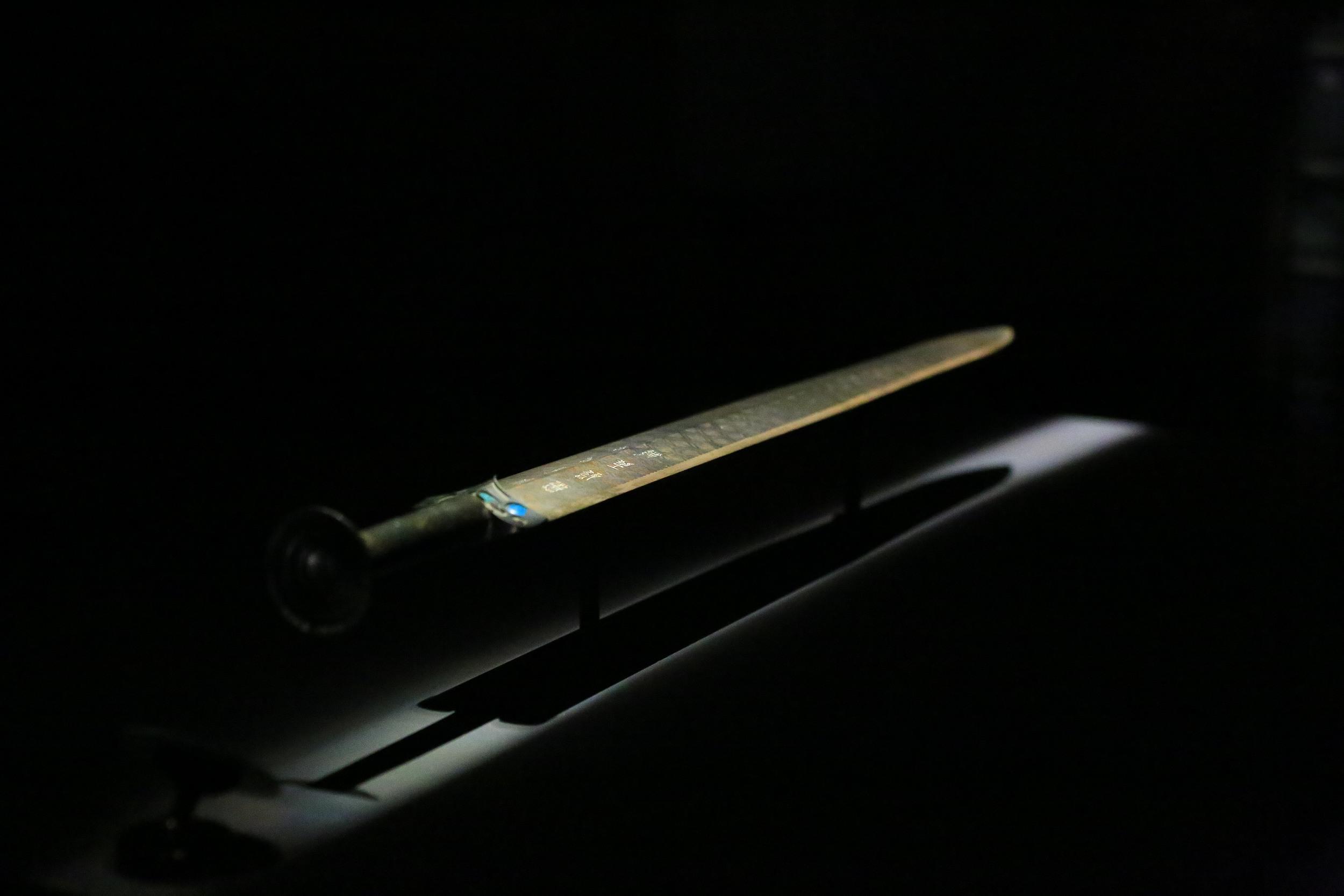
The Sword of Goujian is a bronze sword famous for its exceptional sharpness, detailed pattern of black diamond engravings, and its remarkable resistance to corrosion, something very unusual among existing artifacts from a similar time period. Unearthed in 1965 from a historic grave in Hubei province, the sword is recognized by the markings on its blade as crafted and owned by Goujian, one of the final rulers of Yue during the Spring and Autumn period (770-481 BCE).
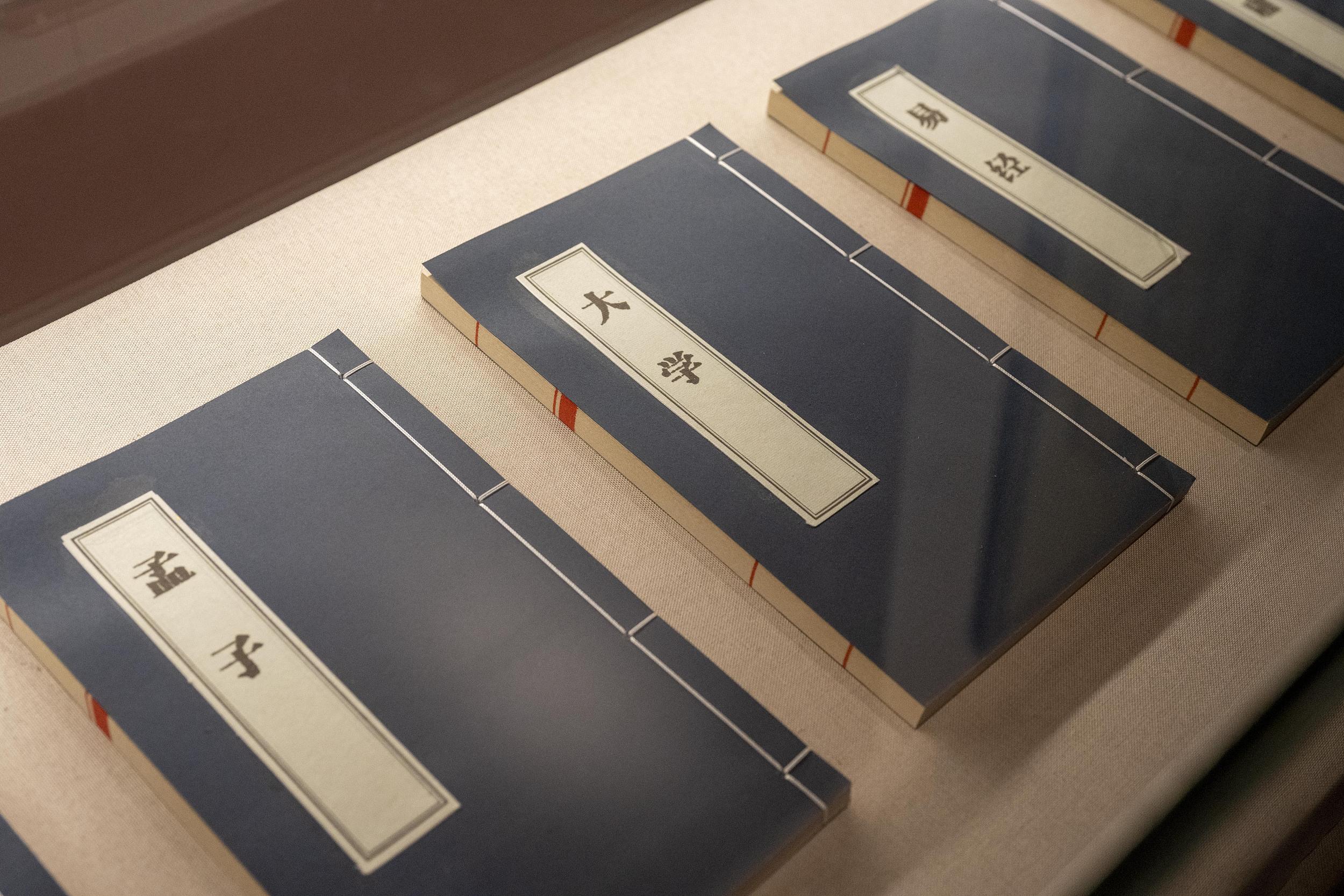
The Four Books include the Doctrine of the Mean, the Great Learning, Mencius, and the Analects, and the Five Classics comprise the Book of Odes, the Book of Documents, the Book of Changes, the Book of Rites, and the Spring and Autumn Annals.
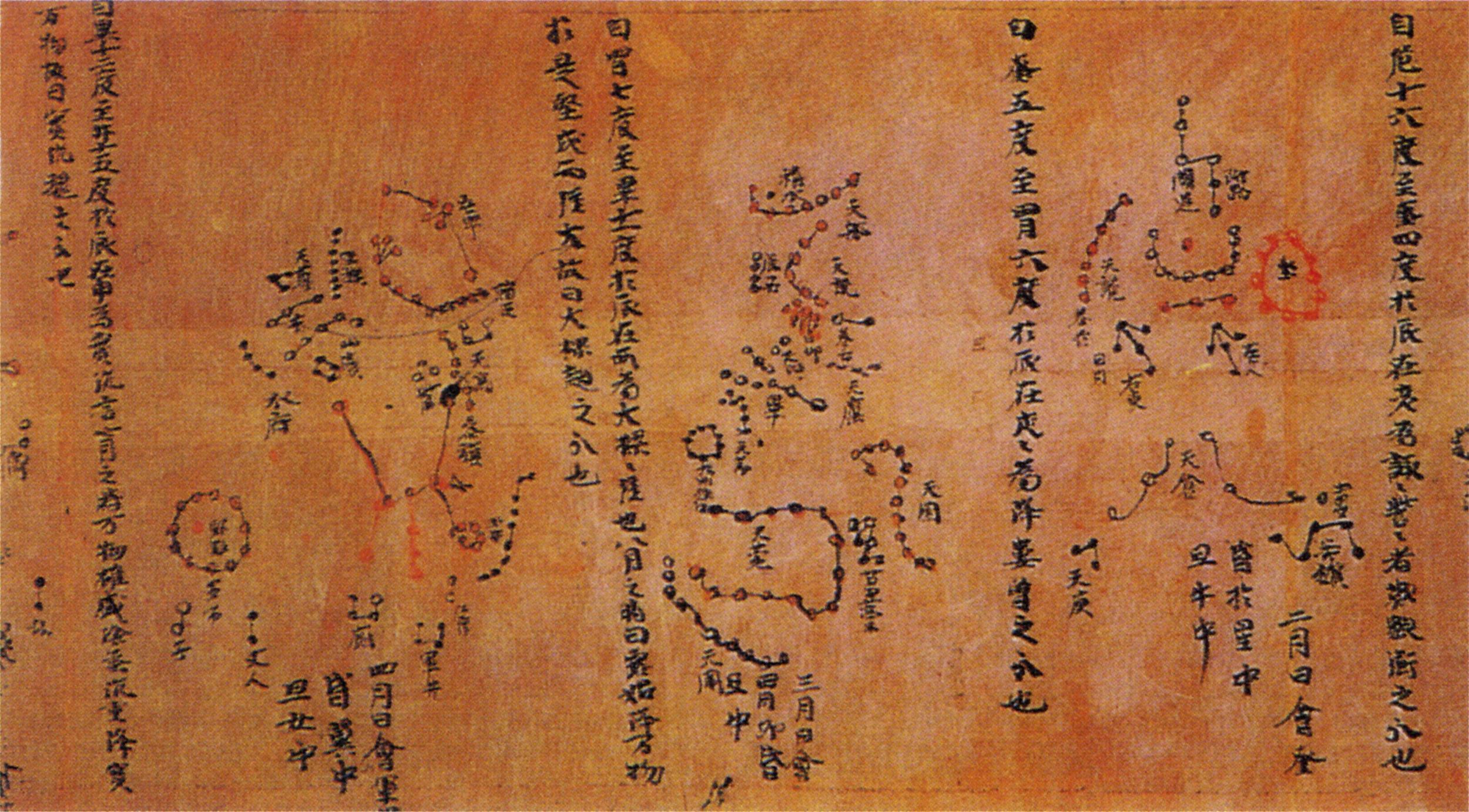
Dating back to the Tang dynasty (618-907), the Dunhuang Star Chart is one of the earliest known graphical depictions of the night sky in ancient Chinese astronomy. It visually corroborates star-related information recorded in early Chinese texts, and is part of a scroll that includes a series of illustrations found among the Dunhuang manuscripts.
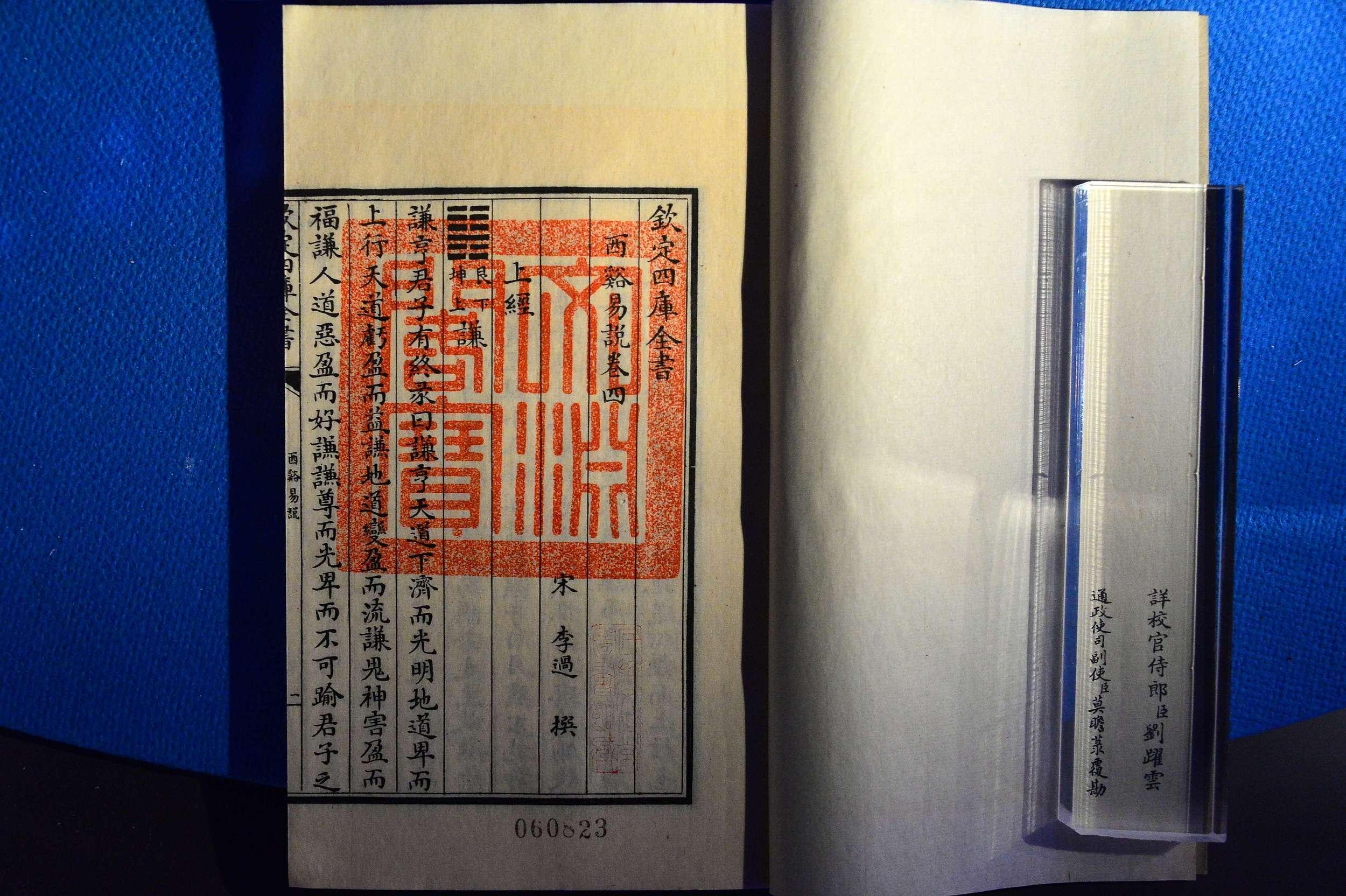
The Siku Quanshu or the "Complete Library in the Four Branches of Literature," is a Chinese encyclopedia commissioned during the Qing dynasty by the Qianlong Emperor. Commissioned in 1772 and completed in 1782, the Siku Quanshu is the largest collection of books in imperial Chinese history, comprising 36,381 volumes, 79,337 manuscript rolls, 2.3 million pages, and about 997 million words.
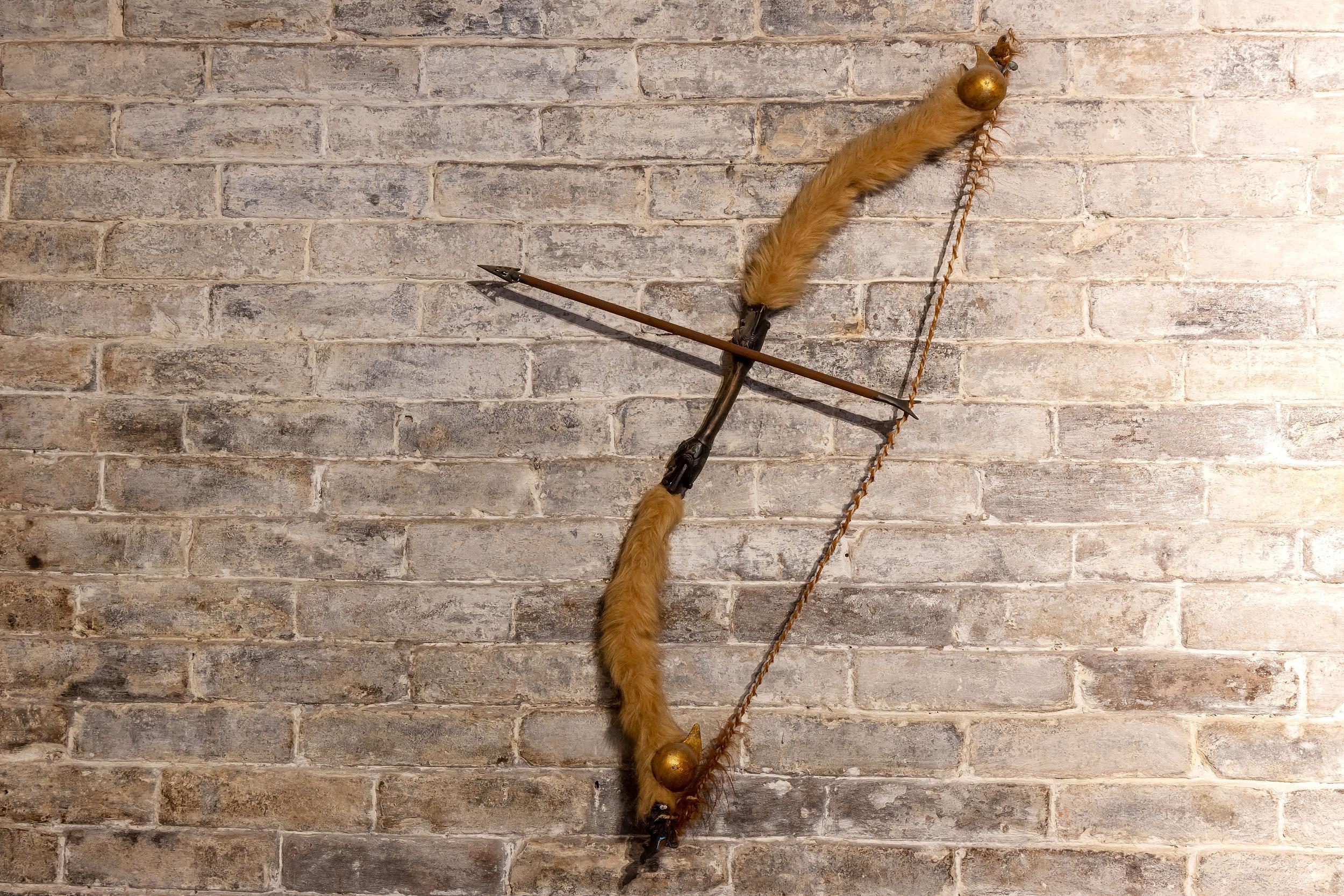
The bow served as the dominant weapon in ancient Chinese combat, and mastering its use was regarded as a vital military and ritual skill for thousands of years. Over the centuries, archers were used as infantry, chariot riders and cavalry. Although the significance of this weapon was challenged by the sword and crossbow, it continued to be an essential part of a commander's strategy on the battlefield, particularly during initial maneuvers, withdrawals and city defenses.

As early as 7,000 years ago, during the Hemudu culture period, ancient Chinese began cultivating wild bamboo. By the Liangzhu Culture period 5,000 years ago, archaeological excavations in China have yielded many woven bamboo artifacts. Around 3,000 years ago, during the Western Zhou Dynasty, the artificial cultivation of bamboo officially began — The Book of Songs (Shijing) contains records describing extensive bamboo groves.
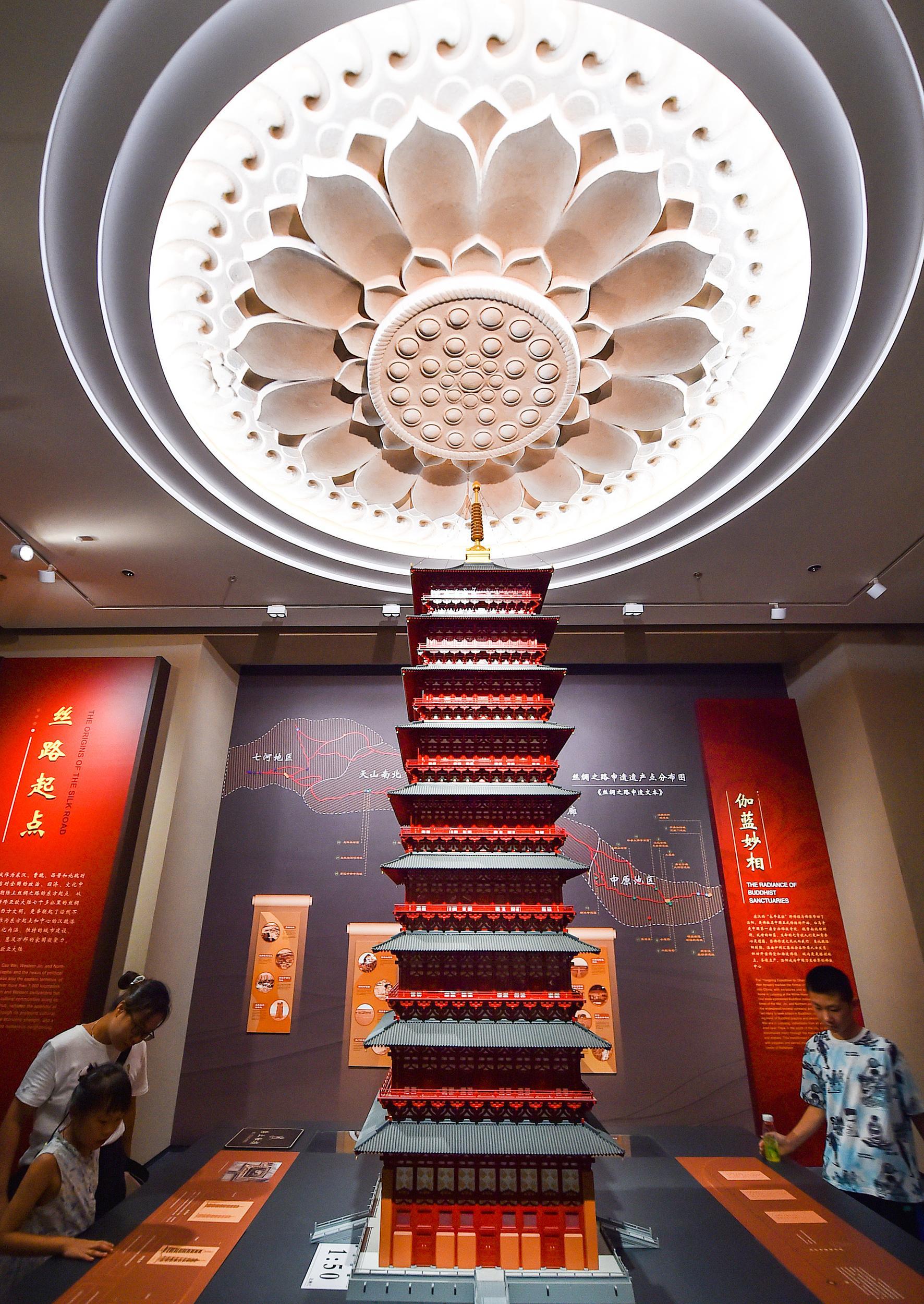
The Yongning Temple Pagoda is an iconic landmark in Luoyang, Henan province in central China, originally constructed in the first year of the Xiping era (516 CE) during the Northern Wei Dynasty. It was a site where the Emperor and the Empress Dowager performed Buddhist rites.
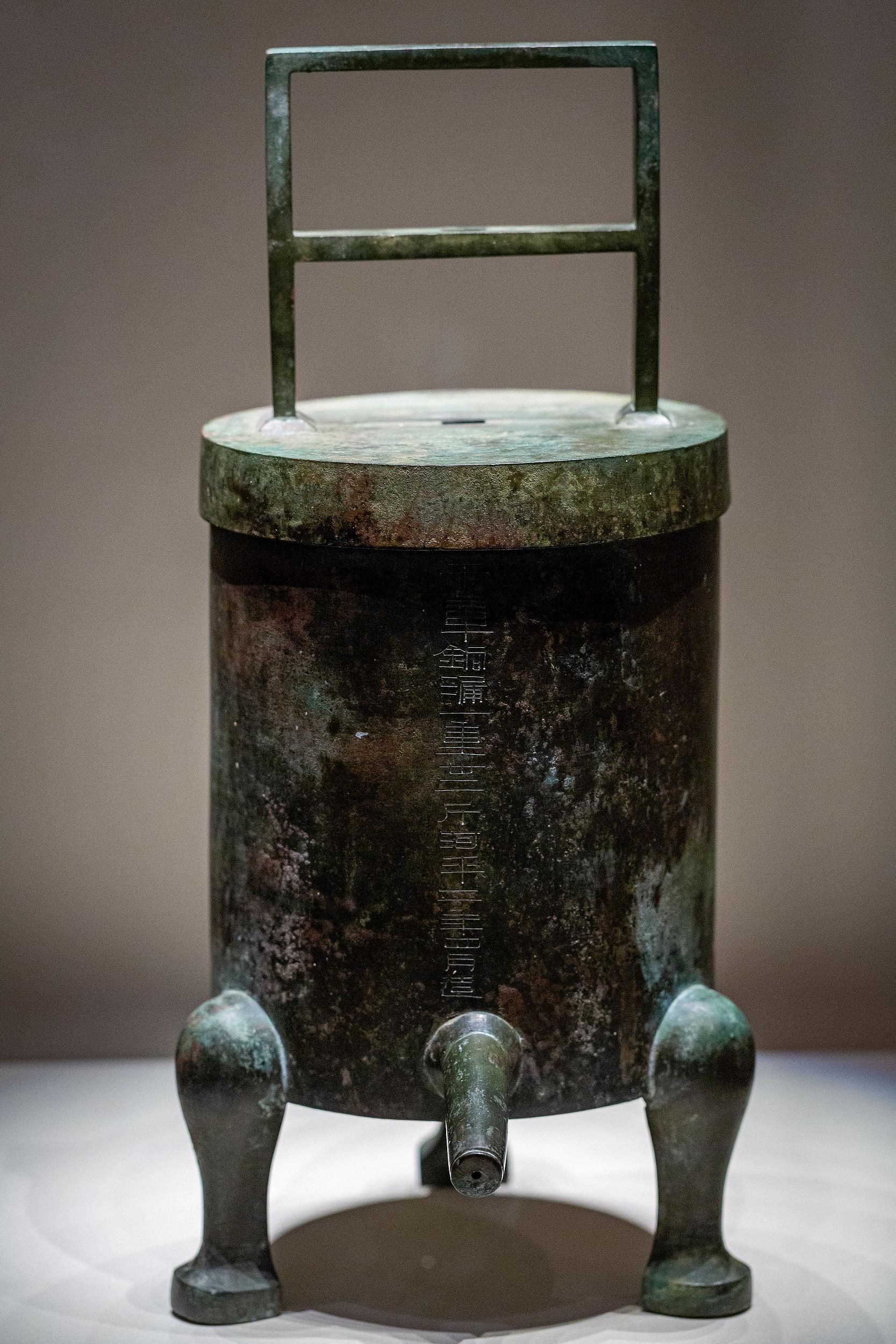
The water clock, also known as clepsydra (water thief in ancient Greek), is a device that measures time based on the controlled flow of liquid into or out of a container, with time indicated by the volume of liquid. It is one of the earliest timekeeping devices, believed to be in use around 1500 BCE.
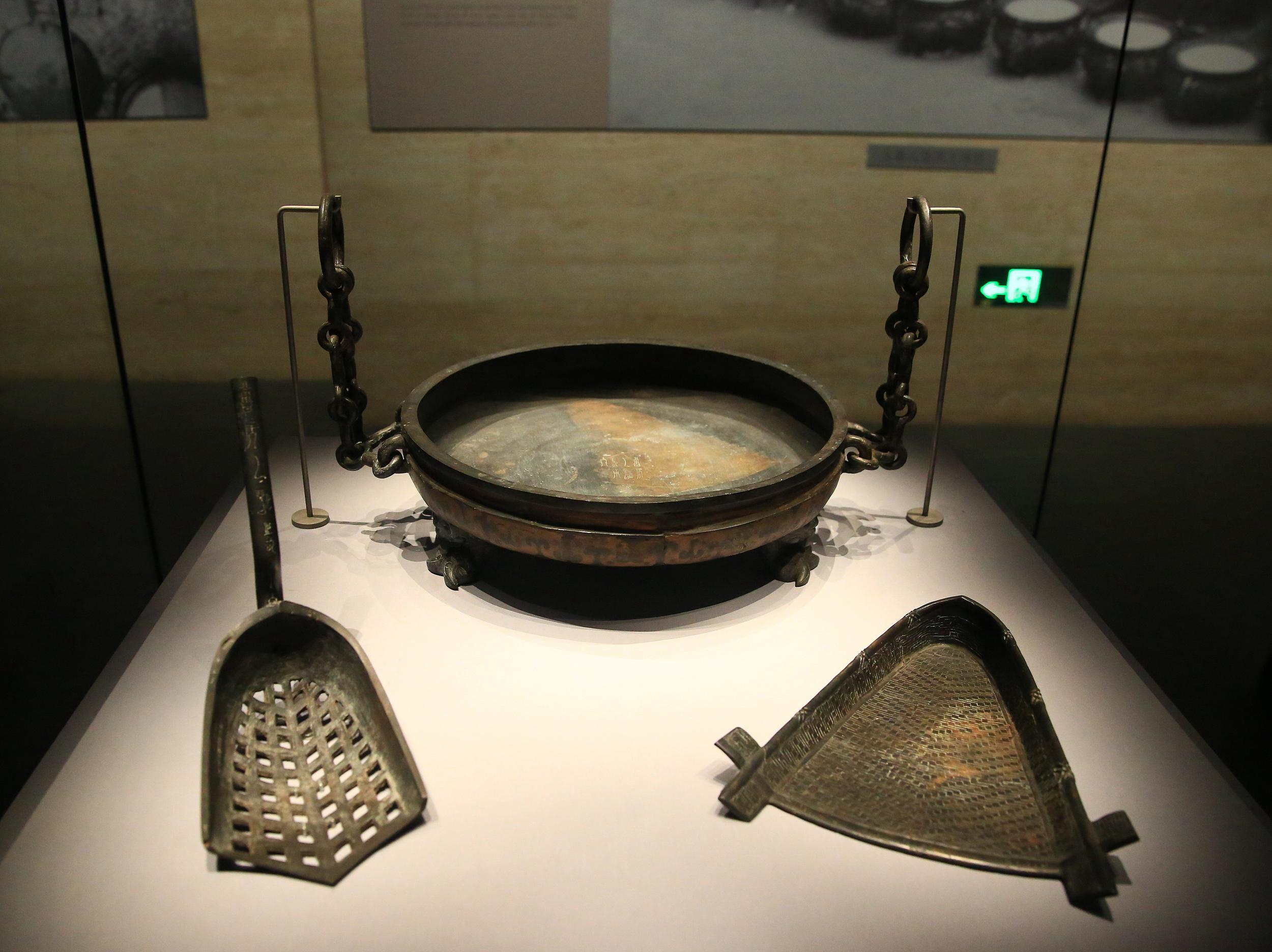
In modern life, people rely on heating or air conditioning to keep warm in the bitter cold of winter — but what did the ancients use? During the Warring States period, people actually had a "three-piece set" for winter heating: a bronze charcoal brazier, a bronze shovel and a bronze sieve.
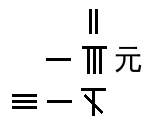
Tian yuan shu, a method of algebraic computation using counting rods to solve problems, translates as "method of the heavenly element." The "heavenly element" refers to the unknown variable, which is usually represented by the letter x in modern algebra. As a positional system it makes use of the rod numerals to express polynomial (two or more algebraic terms) equations.
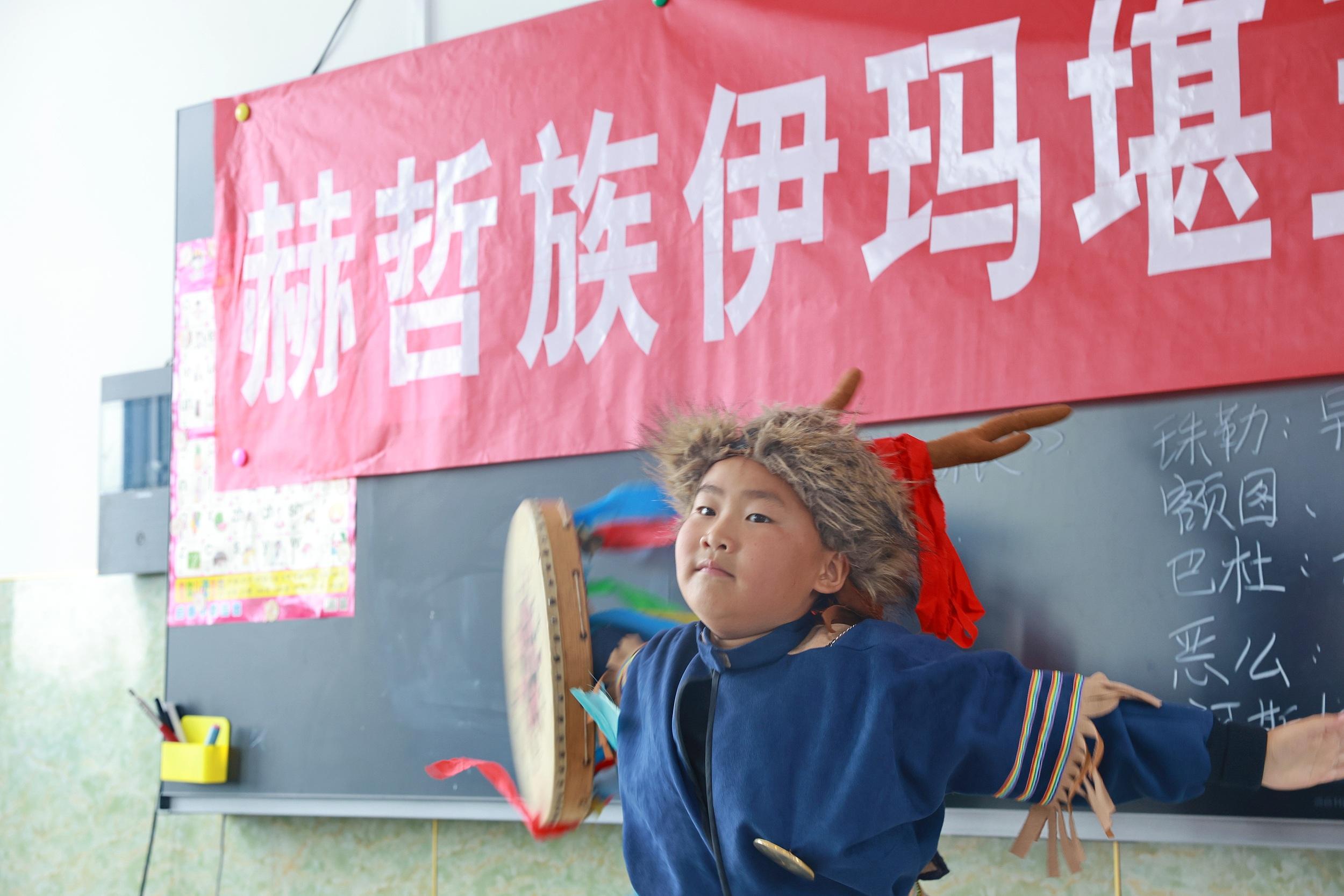
"Hezhen Yimakan storytelling," a revered Chinese folk tradition, has been included in the UNESCO intangible cultural heritage list, a move that is sure to preserve these time-honored oral customs for generations to come.
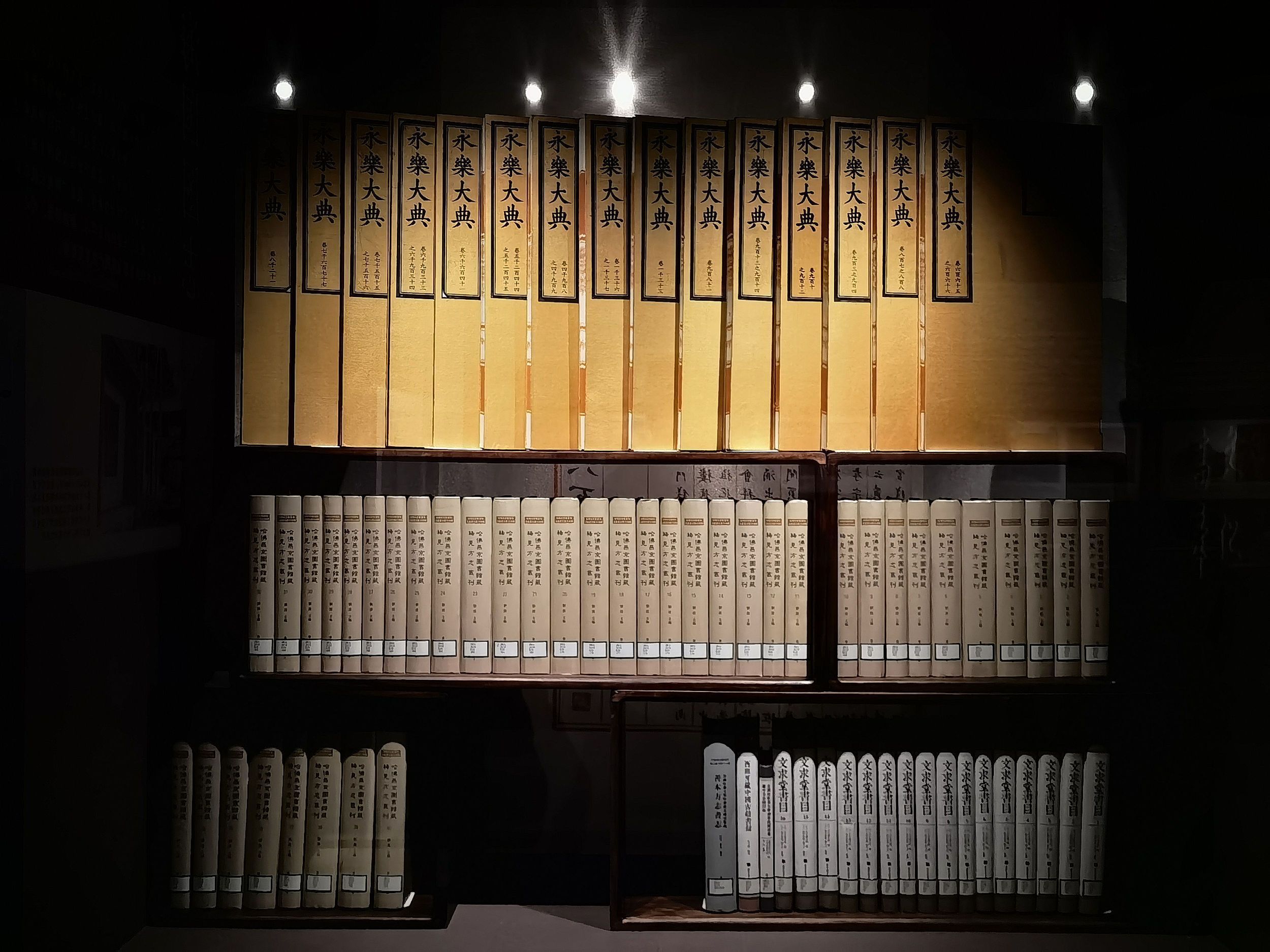
Yongle Dadian, a Chinese compilation, is the world's largest known encyclopaedia. It was compiled during the Ming dynasty (1368-1644) by thousands of Chinese scholars under the direction of Emperor Yongle (reigned: 1402-1424) and was completed in 1408. Containing 22,937 "juan" or sections (including the index), in 11,095 volumes, the work was designed to include everything ever written at that time on the Confucian canon, history, philosophy, and the arts and sciences.
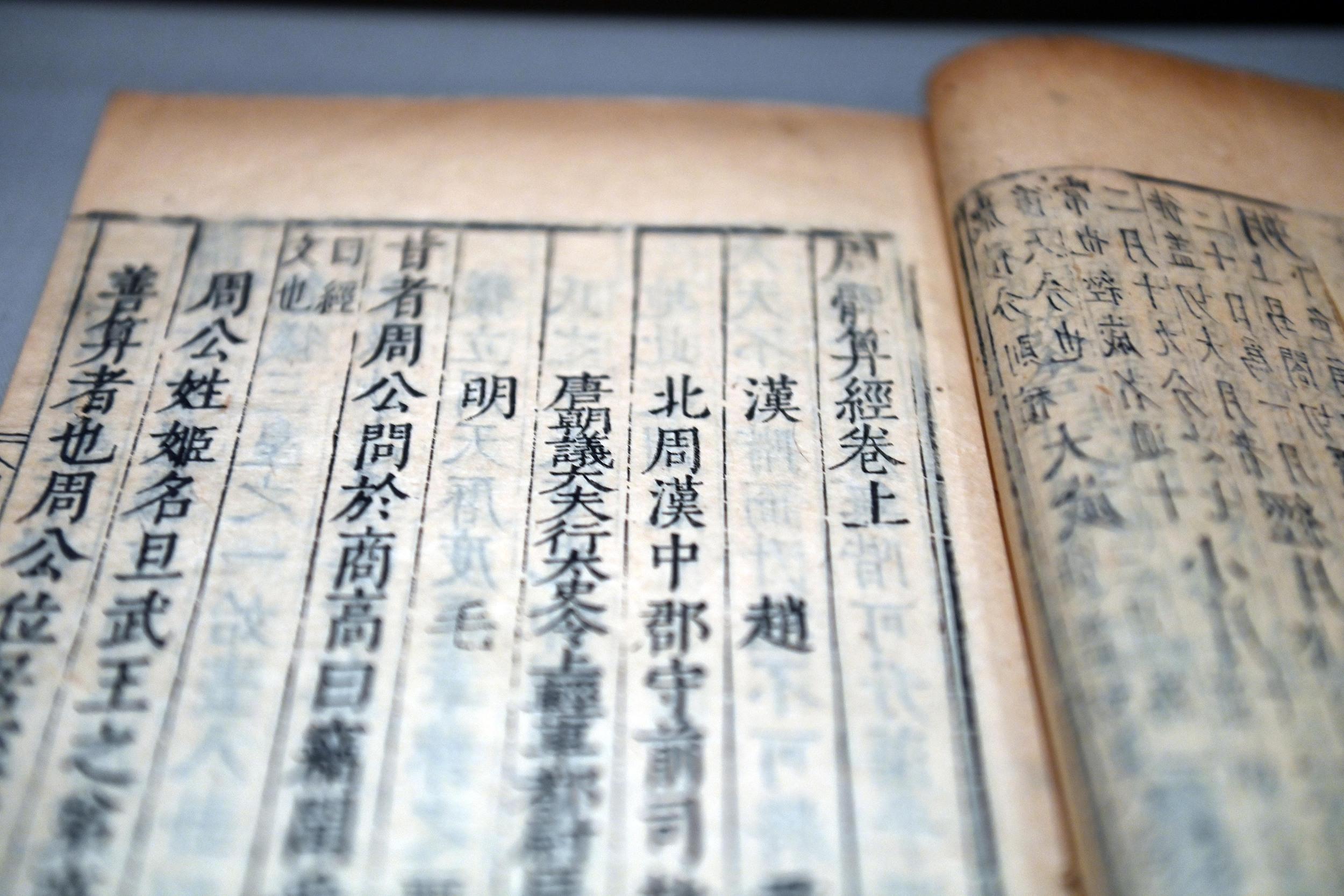
The Zhoubi Suanjing (The Mathematical Book on Gnomons and Circular Paths), written around the 1st century BC, is the oldest surviving Chinese book on the fundamentals of astronomical calculations. The book is known for its early use of the Gougu theorem (a Chinese version of the Pythagorean theorem), along with its detailed astronomical and calendrical methods. It is one of the 10 classic books on mathematics from ancient China.

Traditional Chinese medicine (TCM) is a complementary and alternative medicine that has attracted significant attention both domestically and internationally. It offers a distinct approach to patient diagnosis and treatment compared to Western medicine, using four main diagnostic methods to detect ailments: Observation (inspection), Auscultation and Olfaction (listening and smelling), Inquiry (interrogation) and Palpation (feeling, including pulse-taking).
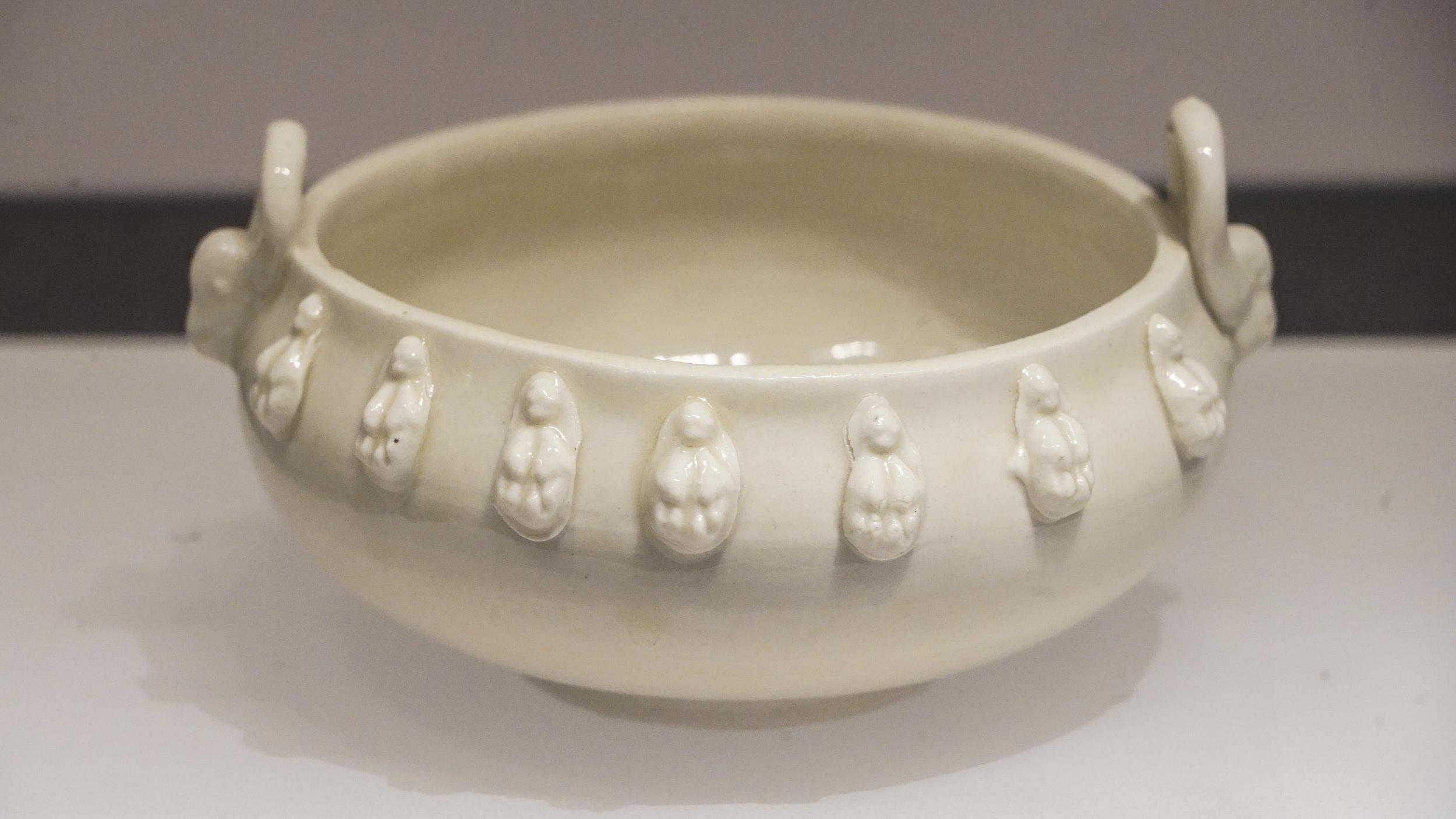
Celebrated as one of the "Five Great Kilns" that produced porcelain in ancient China, the Ding kilns in the Song dynasty were located in what is now Quyang county, Hebei province. At the time, the area was under the administration of Dingzhou, hence the name "Ding kilns."
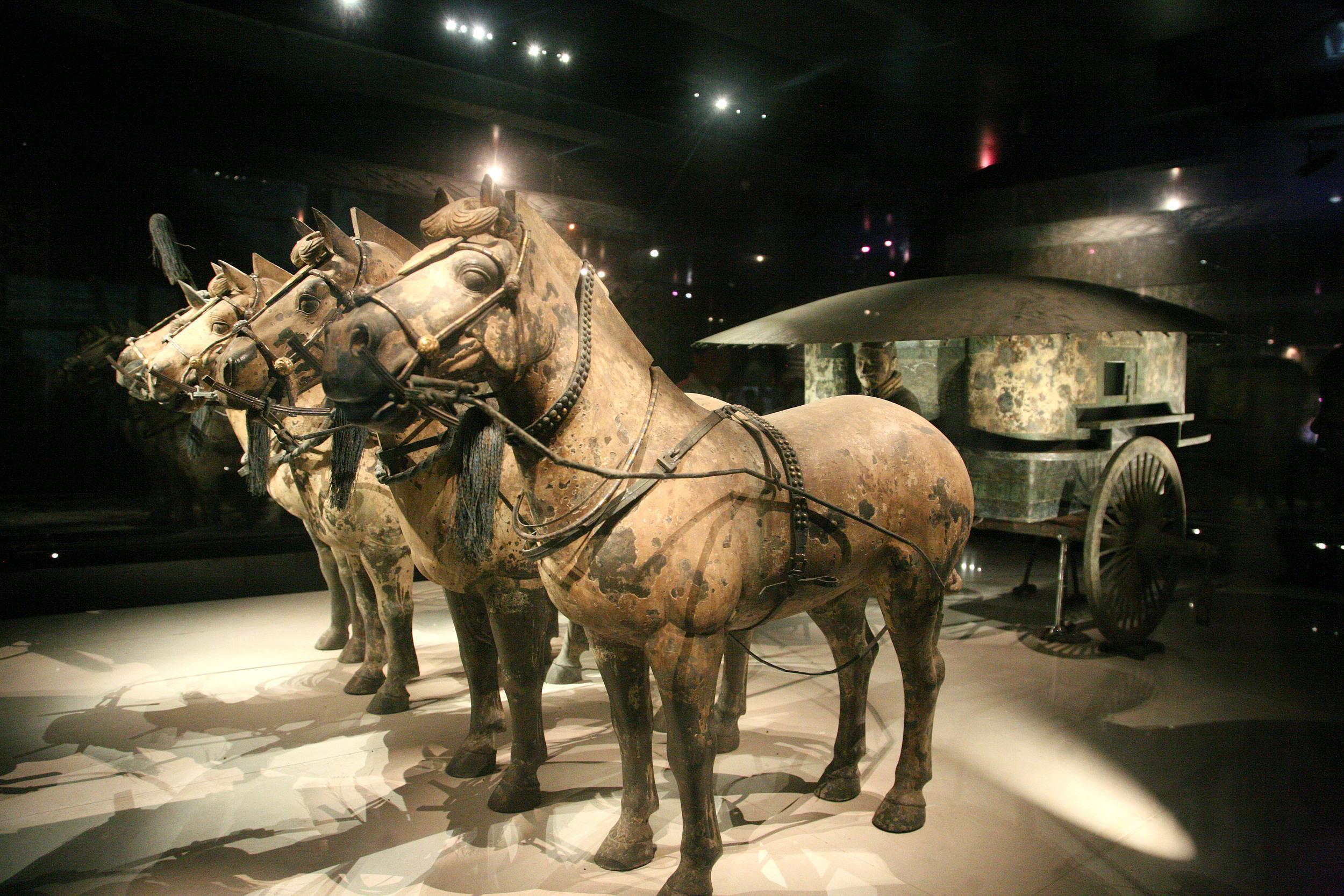
In ancient times, horse carriages served multiple functions, including transportation, military use and ceremonies. The history of the carriage goes back a long way, and as its design evolved, so too did methods of harnessing.
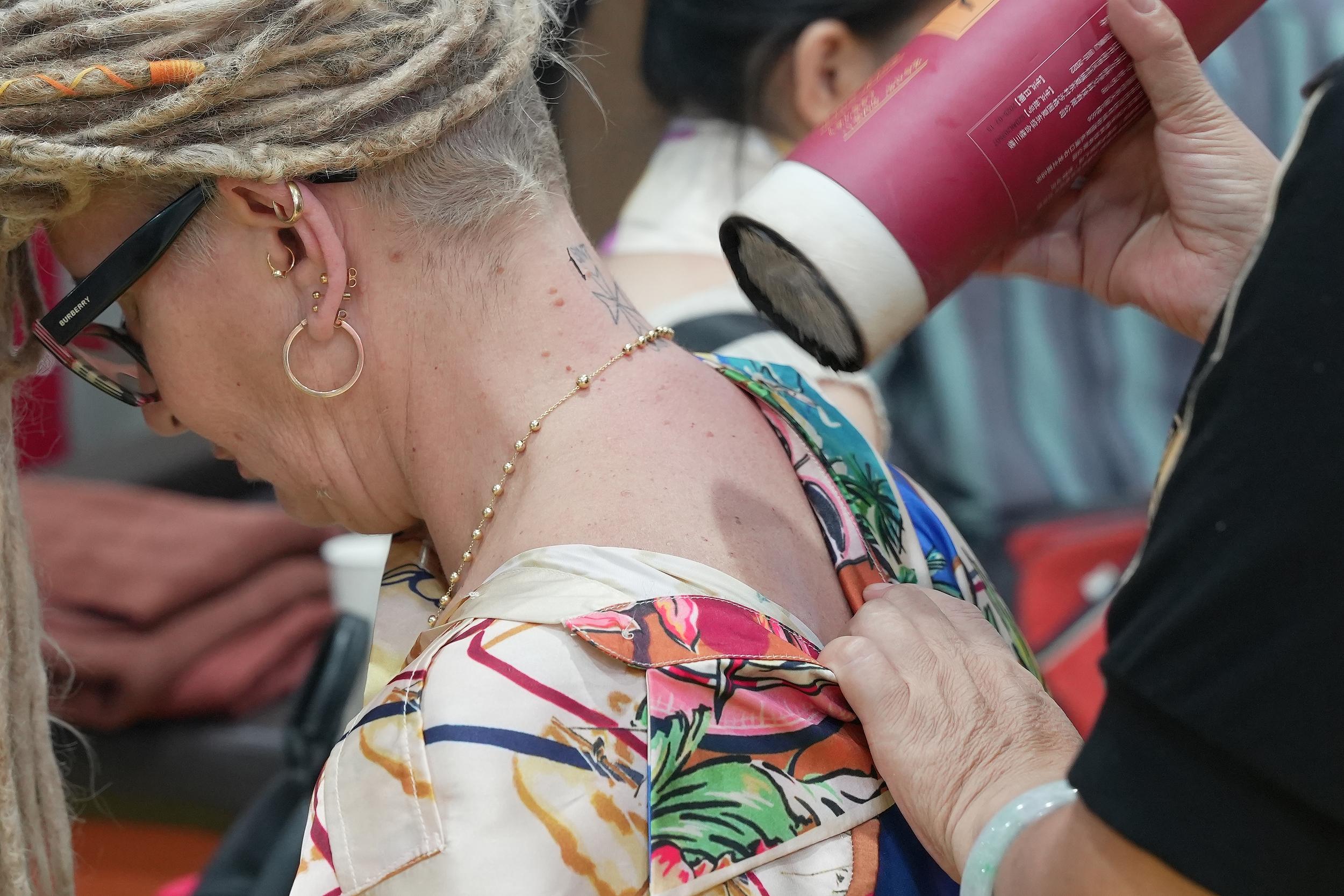
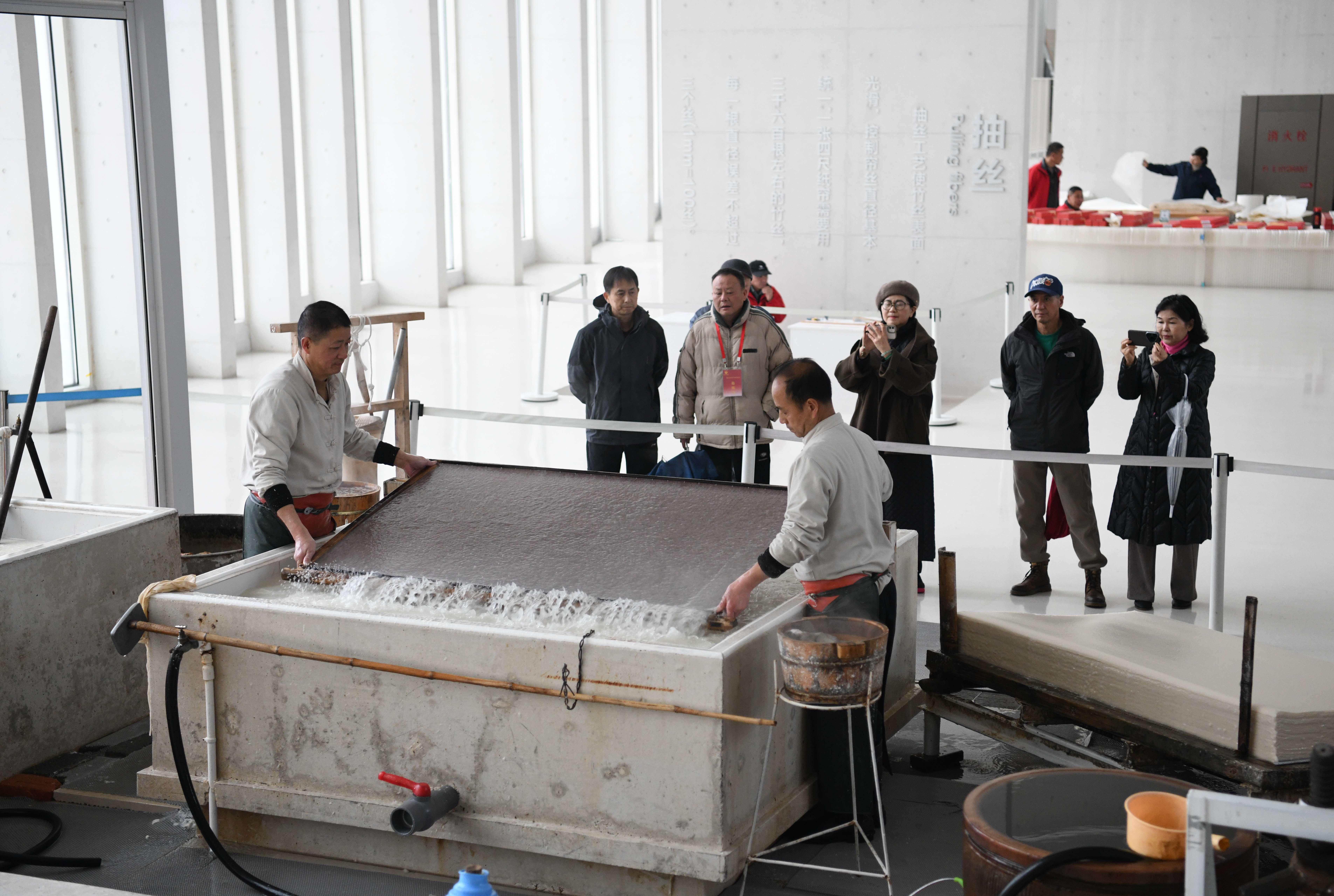
Xuan paper originated in ancient China, and is renowned for its softness and delicate texture, making it ideal for expressing the artistry of Chinese calligraphy and painting.
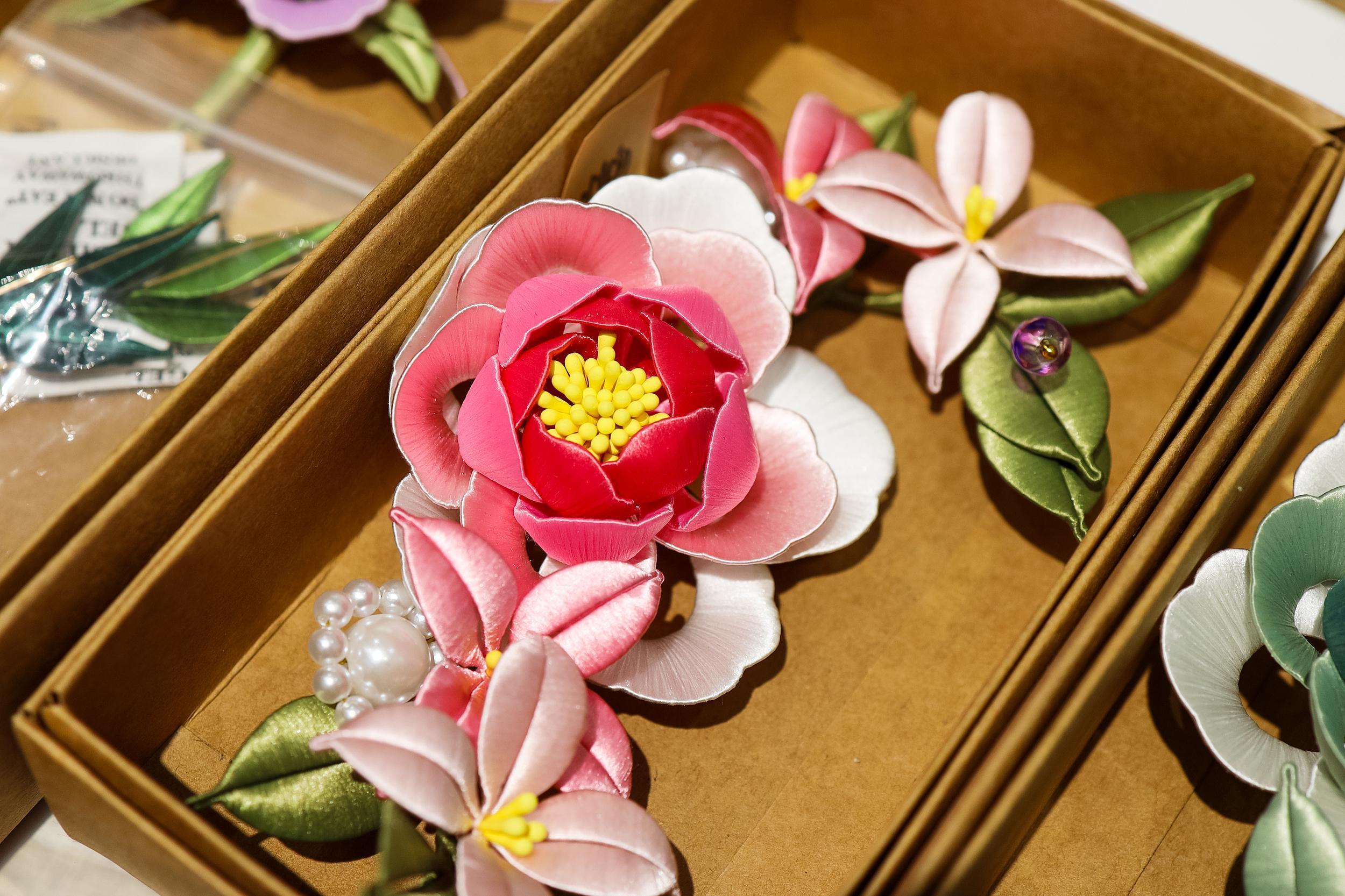
Traditional Chinese sericulture and silk craftsmanship is a complex handicraft system involving many skills such as growing mulberries, raising silkworms, silk reeling, dyeing and fabric weaving as well as folk customs and practices derived from silk production.
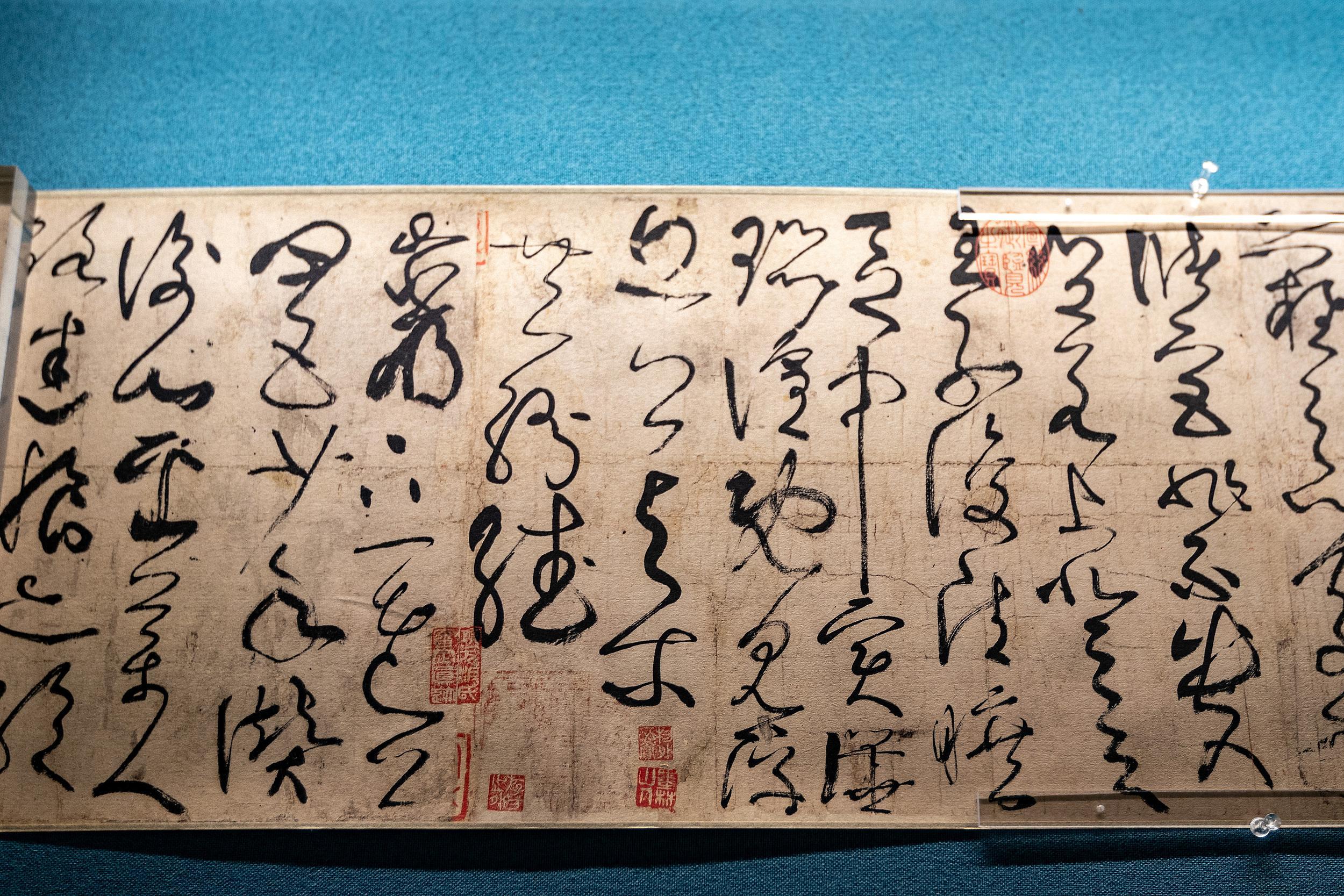
Chinese calligraphy is the writing of Chinese characters as an art form, combining purely visual art and interpretation of the literary meaning. This form of expression, which is traditionally held in high esteem across the country, is also a clear manifestation of Chinese philosophy that has influenced Chinese people for several thousand years.

Chinese President Xi Jinping has sent a congratulatory letter to the Science and Technology Daily on the occasion of the 40th anniversary of its founding.
A high-level symposium in Beijing on April 23 brought together diplomats, think tank experts and media representatives from more than 30 countries to explore the theoretical innovations and practical achievements of China's governance in the new era. They discussed China's governance practices and theories, saying these offer valuable insights for the world.